
5 Essential Tips for Stunning Outdoor Adventure Photography
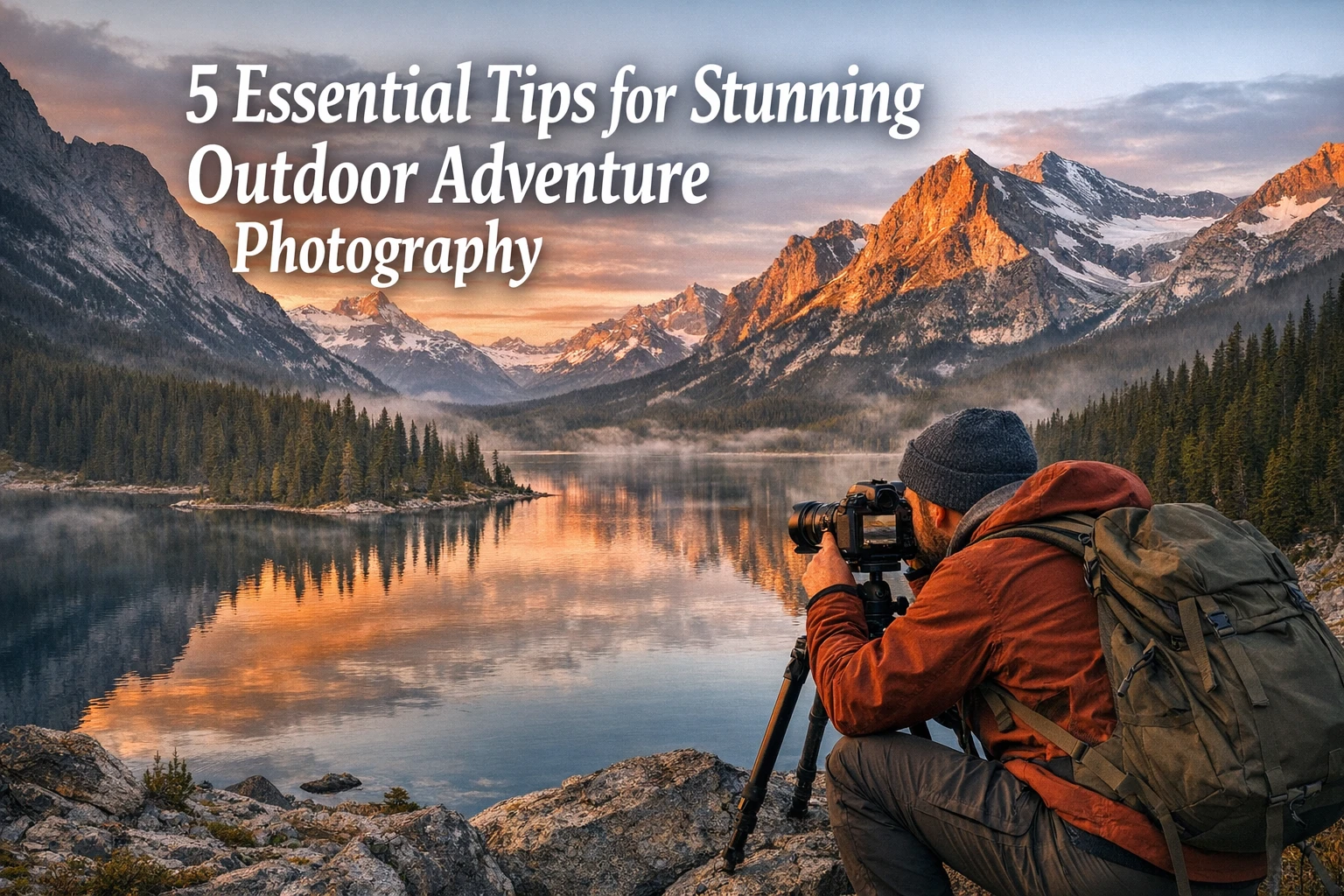
Outdoor adventure photography offers both breathtaking landscapes and intimate wildlife moments, providing endless opportunities for capturing stunning images. Whether you are an amateur or a seasoned photographer, mastering a few essential techniques can greatly enhance your outdoor photography skills.
1. Know Your Gear
Your camera is your best ally in the field. Familiarize yourself with its settings and features before heading out. Here are some gear essentials:
-
- Camera: A DSLR or mirrorless camera is ideal for versatility.
-
- Lens: Consider wide-angle lenses for landscapes and telephoto lenses for wildlife photography.
-
- Tripod: A sturdy tripod is essential for long exposure shots, especially in low light conditions.
-
- Filters: Polarizing filters can reduce glare; ND filters are great for long exposures.
2. Plan Your Shots
Preparation is key in outdoor photography. Here are some planning tips:
-
- Research Locations: Explore potential sites and find out the best times for lighting and wildlife activity.
-
- Check the Weather: Always check the forecast; dramatic weather can produce stunning photographs.
-
- Golden Hour: Shoot during sunrise or sunset for soft, warm lighting.
3. Composition Matters
Effective composition can transform an ordinary shot into an extraordinary one. Keep these guidelines in mind:
-
- Rule of Thirds: Imagine tic-tac-toe lines on your frame. Position key elements along these lines or at their intersections.
-
- Leading Lines: Use natural lines (like roads or rivers) to guide the viewer’s eye through the image.
-
- Framing: Use elements in your environment (like branches or rocks) to frame your subject.
4. Be Patient and Respect Nature
Wildlife can be unpredictable, requiring patience and respect for their habitat. Here are some tips:
-
- Quiet Observation: Move slowly and quietly to avoid disturbing wildlife.
-
- Wait for the Right Moment: Sometimes the perfect shot may take time—keep your camera ready.
-
- Respect Wildlife: Maintain a safe distance and do not interfere with their natural behavior.
5. Post-Processing
After your adventure, polishing your images with post-processing can elevate your photography to the next level. Consider the following:
-
- Editing Software: Use tools like Adobe Lightroom or Photoshop for adjustments.
-
- Color Correction: Enhance colors while preserving the scene’s integrity.
-
- Cropping: Refine your composition and remove distractions if necessary.
Outdoor adventure photography is not just about capturing beautiful images; it’s also about the experience of exploring the great outdoors. By knowing your gear, planning your shots, composing effectively, being patient, and post-processing your images, you’ll be well on your way to stunning outdoor photography. Grab your camera, head outside, and start capturing the wild!