
Mastering Hiking Navigation Basics for Beginners
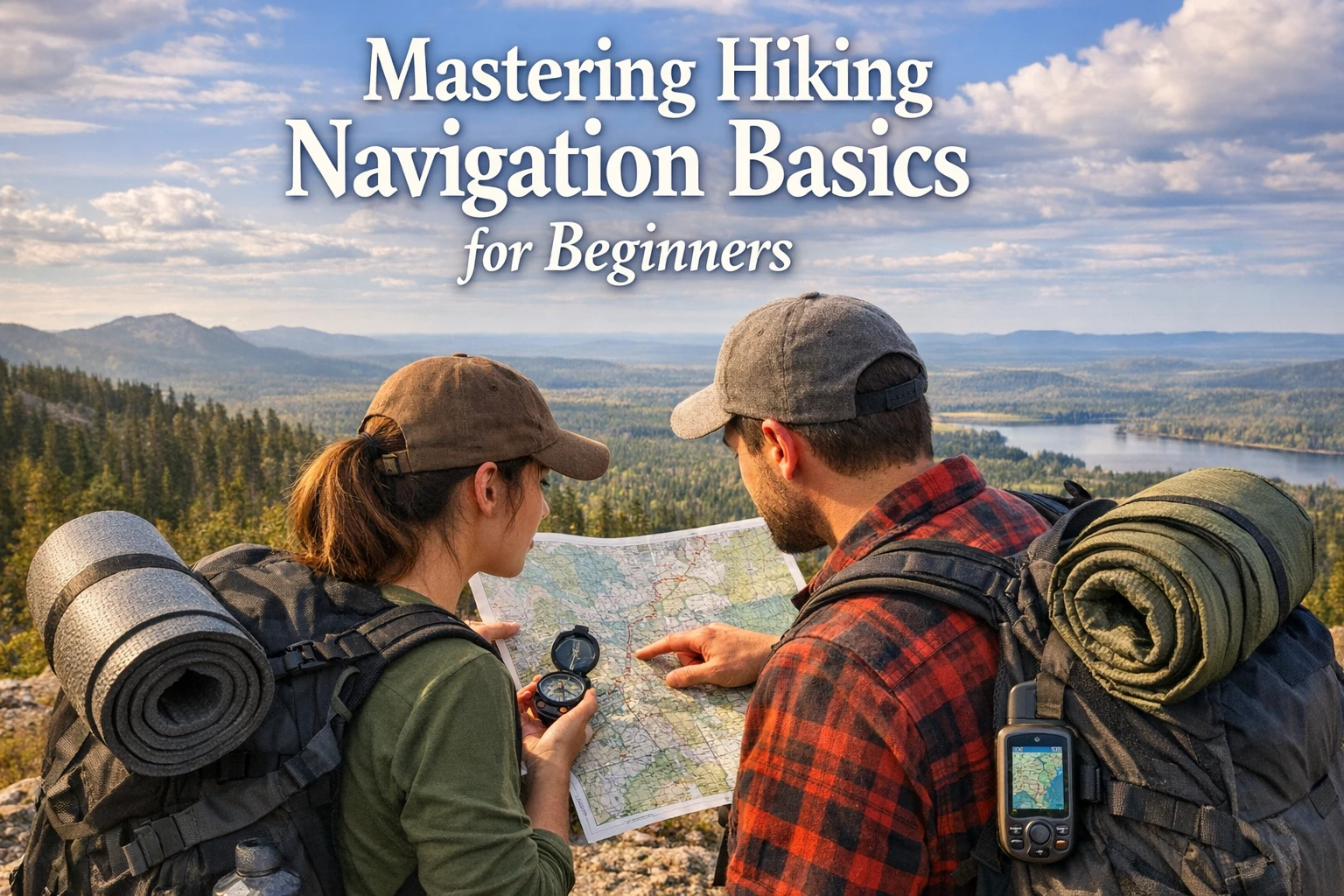
Whether you’re a seasoned hiker or just starting out, mastering navigation can significantly enhance your hiking experience. Knowing how to navigate safely and efficiently can prevent unnecessary detours and ensure a more enjoyable adventure.
1. Understanding the Tools
Before you hit the trail, familiarize yourself with the essential navigation tools:
-
- Map: A detailed topographic map is crucial for understanding terrain and planning your route.
-
- Compass: This helps you orient your map and determine directions.
-
- GPS Device: A handheld GPS or smartphone app can provide accurate location data.
-
- Altimeter: Useful for tracking elevation changes while hiking.
2. Reading a Topographic Map
To effectively use a map, you need to understand its features:
-
- Contour Lines: These show elevation changes; the closer they are, the steeper the terrain.
-
- Legend: Symbols on the map represent trails, water sources, and other features.
-
- Scale: Understand the map’s scale to estimate distances.
3. Using a Compass
Follow these steps to use a compass effectively:
-
- Hold the compass flat in your hand.
-
- Turn the compass housing until the orienting arrow aligns with the magnetic needle.
-
- Note your heading; this is the direction you need to travel.
4. Combining Map and Compass
To orient your map using a compass:
-
- Place the compass on the map, with the edge of the compass along your desired route.
-
- Rotate the map and compass until the magnetic needle aligns with the orienting arrow.
-
- Your map is now oriented; you can identify landmarks and your position in relation to your route.
5. Setting a Waypoint
If you’re using a GPS, setting waypoints can help you keep track of your route:
-
- Identify key points on your route.
-
- Input these points into your GPS device or app.
-
- Use the device to navigate from one waypoint to another.
6. Practice Makes Perfect
Navigation skills improve with practice. Start with simple hikes where you can easily apply your skills. Gradually challenge yourself with more complex routes.
Conclusion
Mastering the basics of hiking navigation is crucial for a safe and enjoyable outdoor experience. With the right tools and practice, you can confidently explore the great outdoors. Happy hiking!