

Spring Awakening! Simple Guide to Evaluating Trail Conditions!
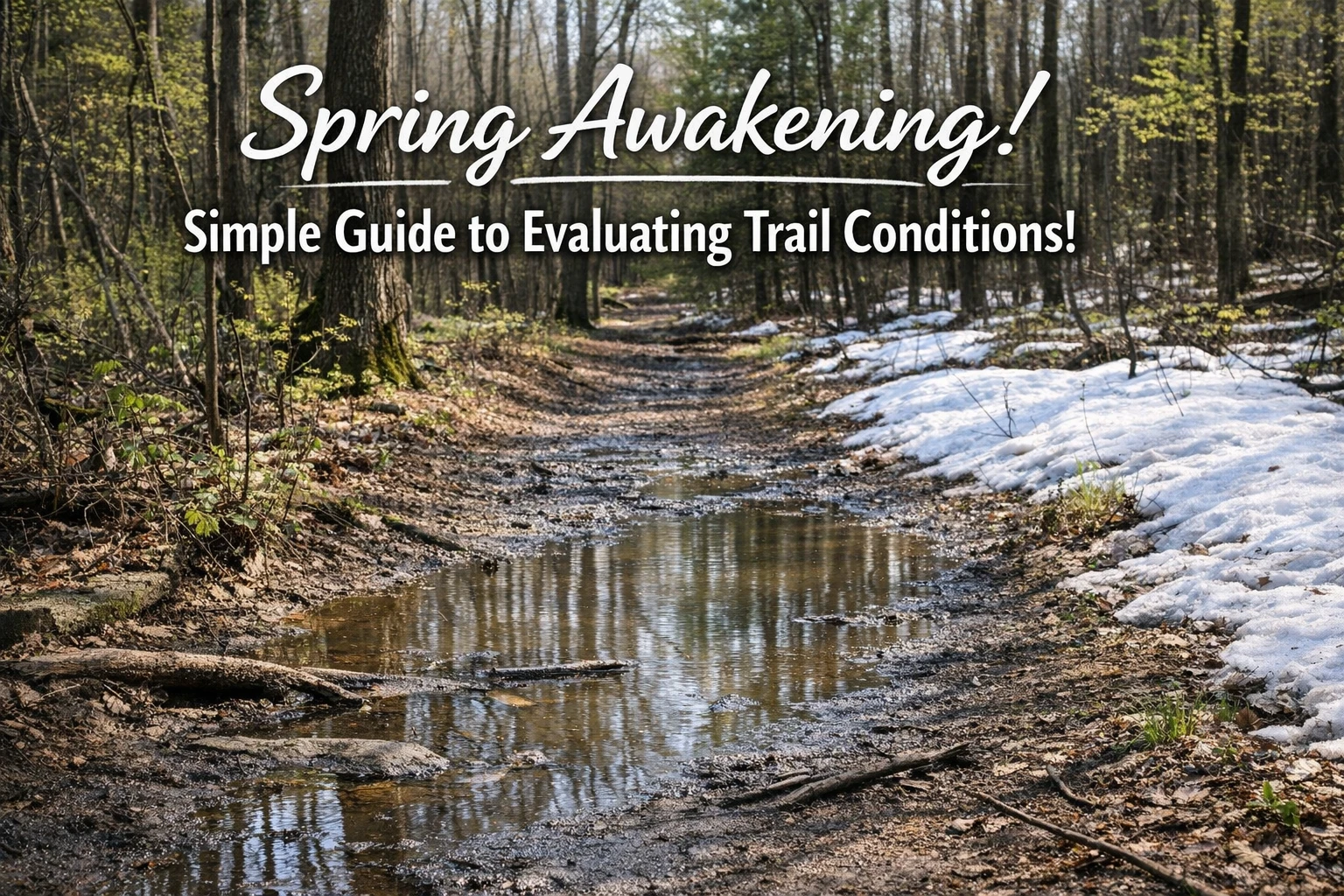
Spring is a magical season for outdoor enthusiasts. As nature begins to awaken, trails across the country transform into stunning landscapes ready for exploration. However, with this transition comes variability in trail conditions. Here’s your ultimate guide to navigating the spring trails effectively!
Understand Spring Trail Conditions
Spring trail conditions can be unpredictable due to melting snow, rain, and fluctuating temperatures. Below are the common types of conditions you might encounter:
-
- Muddy Trails: As the snow melts, trails can become soft and muddy. Proper footwear is crucial to avoid slips.
-
- Patchy Snow: Some trails may still have snow patches, especially in higher elevations. Crampons or trekking poles can be helpful.
-
- Water Crossings: Increased meltwater may lead to swollen streams. Always assess the safety before crossing.
-
- Overgrown Paths: As vegetation starts to bloom, be prepared for overgrown trails that may hide the path.
Tips for Navigating Trails this Spring
To ensure a safe and enjoyable hiking experience, consider these helpful tips:
-
- Check Local Conditions: Always look for updated information from local parks or hiking websites.
-
- Dress in Layers: Spring temperatures can fluctuate; dress accordingly for comfort.
-
- Be Prepared for Change: Carry gear for wet conditions and be ready to turn back if necessary.
-
- Leave No Trace: As the trails come alive, it’s vital to respect nature by sticking to established paths.