
Capturing the Enchantment: A Comprehensive Guide to Forest Photography
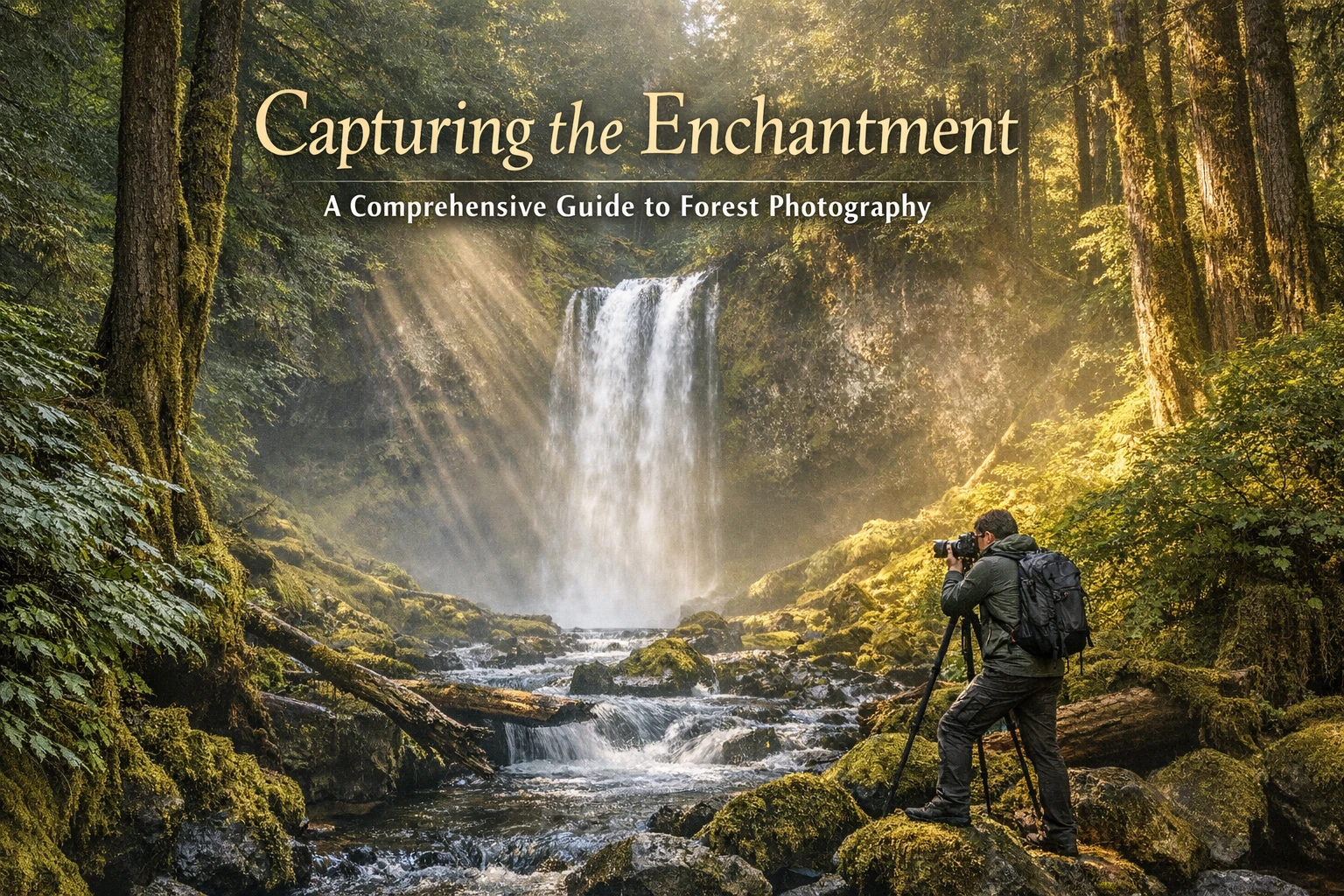
Forest photography can be one of the most rewarding genres of photography, capturing the serene beauty and intricate details of woodland ecosystems. This guide aims to provide you with essential tips and techniques for capturing the enchanting beauty of forests.
1. Choosing the Right Equipment
Your camera gear is fundamental to your success in forest photography. Here’s what to consider:
-
- Camera: A DSLR or mirrorless camera will give you the flexibility you need.
-
- Lens: A versatile lens, such as a 24-70mm, is ideal for both wide landscapes and closer shots of flora and fauna.
-
- Tripod: Essential for long exposures, particularly in low light conditions.
-
- Filters: Polarizing filters can enhance colors and reduce glare, while ND filters are useful for long exposures.
2. Understanding Lighting Conditions
The interplay of light and shadows is vital in forest photography. Consider the following:
-
- Golden Hour: Early morning and late afternoon provide soft, warm light that enhances textures.
-
- Overcast Days: Cloud cover diffuses sunlight, creating even lighting that’s perfect for capturing details.
-
- Sunbeams: Look for shafts of light filtering through the trees, adding a magical quality to your photos.
3. Composition Techniques
Composition is crucial to create compelling forest images. Here are some techniques to apply:
-
- Leading Lines: Use paths, streams, or tree rows to guide the viewer’s eye into the image.
-
- Framing: Utilize tree branches or foliage to create natural frames for your subjects.
-
- Rule of Thirds: Position key elements along the lines or at the intersections of the grid for a balanced composition.
4. Capturing Details and Textures
Don’t forget to focus on the smaller details in the forest:
-
- Close-ups: Use a macro lens to capture intricate details of leaves, fungi, and insects.
-
- Textures: Look for interesting textures in tree bark or rocky surfaces that tell a story.
5. Post-Processing Tips
Editing can help bring out the beauty of your forest photographs. Here’s what to keep in mind:
-
- Color Correction: Adjust the white balance to reflect the true colors of the scene.
-
- Contrast and Brightness: Enhance shadows and highlights to add depth.
-
- Saturation: Boost colors carefully to avoid oversaturation, which can look unnatural.