

Mindfulness Practices in Nature
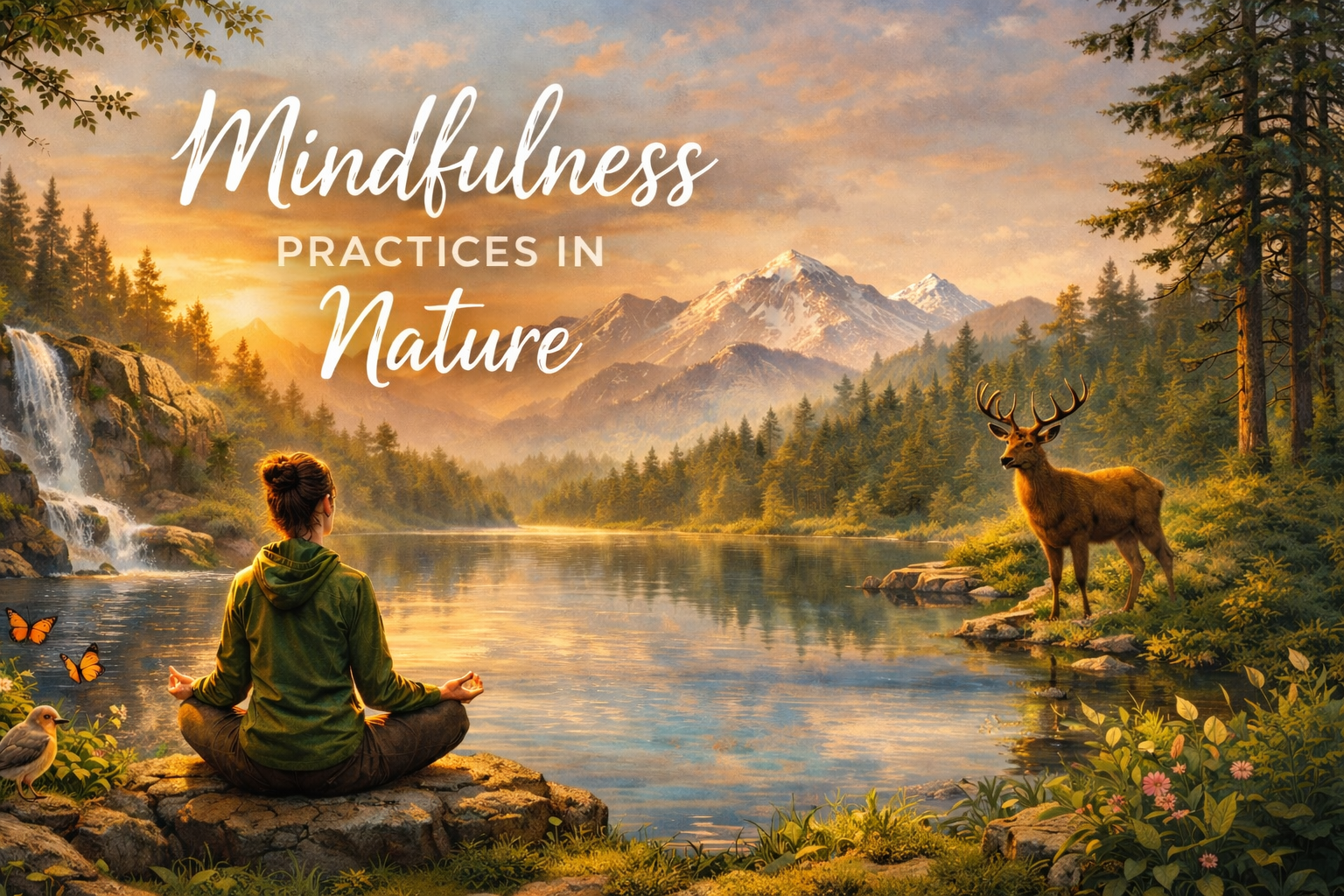
Discover how mindfulness practices in nature can enhance your mental well-being, reduce stress, and foster a deeper connection to the environment.
Understanding Mindfulness in Nature
Mindfulness is defined as the intentional awareness of the present moment without judgment, a practice that fosters emotional well-being and effective stress management. Engaging in mindfulness while immersed in nature offers a unique avenue to enhance self-regulation and improve mental health. Research indicates that spending time outdoors can lead to a significant reduction in cortisol levels, the primary stress hormone, allowing individuals to experience a sense of calm and clarity. For instance, a study showed that participants who engaged in nature-based mindfulness activities experienced profound drops in stress levels, highlighting the therapeutic potential of natural environments.
Moreover, the cognitive benefits of nature-based mindfulness practices are noteworthy. Exposure to green spaces has been shown to stimulate brain activity, enhancing creativity and cognitive function. This connection to nature promotes feelings of awe, which is associated with greater happiness and a sense of interconnectedness with the world. Engaging in mindful practices outdoors not only impacts mental health positively but also encourages a deeper appreciation for the environment, which can lead to more sustainable living practices.
Benefits of Practicing Mindfulness Outdoors
The benefits of spending time in nature extend far beyond mere relaxation. Research has shown that outdoor mindfulness practices can significantly reduce stress and anxiety while simultaneously improving immune functioning. The natural environment encourages a sense of peace, fostering respect for the earth and contributing to overall personal well-being. For example, individuals who consistently participate in nature-based mindfulness interventions report increased energy levels and a lasting sense of calm that persists long after the experience has ended.
Additionally, natural settings provide a distraction-free environment that is conducive to deeper meditation and mindfulness practices. This contrasts with indoor settings, where interruptions are more common. Nature helps restore attention and cognitive resources, allowing individuals to regain mental clarity and focus. Many participants in mindfulness studies express that their time spent outdoors has led to improved emotional balance and a more positive outlook on life, illustrating the profound impact that natural surroundings have on mental health.
Effective Mindfulness Activities in Nature
Several mindfulness activities can effectively enhance awareness while enjoying the beauty of nature. One popular practice is listening meditation, where individuals focus on the sounds of their environment, such as rustling leaves or bird calls, for at least ten minutes. This activity heightens auditory awareness and can lead to a deeper connection with the surroundings. Another effective approach is the mindful stroll, where one walks slowly, paying close attention to the sensations of each step and the beauty of the landscape. This simple yet powerful practice can transform a regular walk into a deeply enriching experience.
Other activities include nature journaling, where individuals document their thoughts and feelings while observing their surroundings, thus deepening their reflections. Additionally, mindful photography encourages participants to capture moments in nature, promoting appreciation and mindfulness through visual engagement. These activities can be tailored to fit personal preferences and environments, allowing for a versatile approach to practicing mindfulness in nature.
Preparing for a Mindful Nature Experience
To maximize the benefits of mindfulness in nature, preparation is key. Selecting a natural environment that resonates with you—be it a serene park, tranquil forest, or peaceful pond—can significantly enhance your experience. Bringing along essentials like water, snacks, and a journal can facilitate reflection, ensuring you have everything you need to make the most of your time outdoors.
Upon arrival, grounding yourself is essential. Taking five cleansing breaths can help center your mind before you begin your mindfulness practice. Dressing appropriately for the weather and wearing comfortable shoes ensures that the physical aspects of your experience are enjoyable, allowing you to focus on the present moment. Setting a specific intention for your mindfulness practice can also guide your attention and deepen your engagement with the natural world.
Engaging the Senses During Mindfulness Practices
Engaging your senses is a crucial component of mindfulness practices in nature. By observing the world around you with curiosity, you can fully immerse yourself in the experience, exploring the sights, sounds, and textures of your environment. For instance, consider taking a moment to feel the rough bark of a tree or the softness of moss beneath your fingers. Reflecting on the energies present in the landscape allows for a non-judgmental appreciation of nature as it is.
Additionally, journaling or drawing can help express insights gained during your time in nature. Tactile engagement, such as touching leaves or rocks, fosters a deeper connection with the environment, enhancing the overall mindfulness experience. Utilizing all five senses—sight, sound, smell, taste, and touch—enables you to experience nature in its entirety, enriching your mindfulness practice.
Long-term Effects of Nature-based Mindfulness
The long-term effects of nature-based mindfulness are profound and well-documented. Research has shown that exposure to natural environments, particularly forest settings, yields significant psychological benefits. Mindfulness attitudes cultivated through these experiences, such as non-judgment and acceptance, enhance emotional processing and self-acceptance, leading to lasting improvements in mental health.
Individuals who regularly practice mindfulness in nature demonstrate lower levels of anxiety and depression over time, as well as improved emotional regulation and resilience. Furthermore, nature-based mindfulness fosters social connections, as group activities promote community and shared experiences, contributing to a supportive environment that nurtures mental well-being.
Embracing Mindfulness in Nature for Personal Growth
Incorporating mindfulness practices into daily outdoor activities can transform routine experiences into opportunities for reflection and peace. Regular engagement with nature not only enhances individual well-being but also fosters a deeper connection to the environment and the community. For instance, taking a moment to express gratitude for nature can amplify the benefits of mindfulness, leading to increased feelings of contentment and positivity.
As individuals cultivate the habit of mindfulness in natural settings, they are likely to experience improved mental health and resilience. The ongoing practice of mindfulness outdoors provides a pathway for personal growth, encouraging individuals to reconnect with themselves and the world around them. By embracing these practices, one can navigate the complexities of life with a greater sense of clarity and purpose.