
Choosing the Perfect Backpacking Tent: A Comparative Analysis
Backpacking Tents and Their Importance
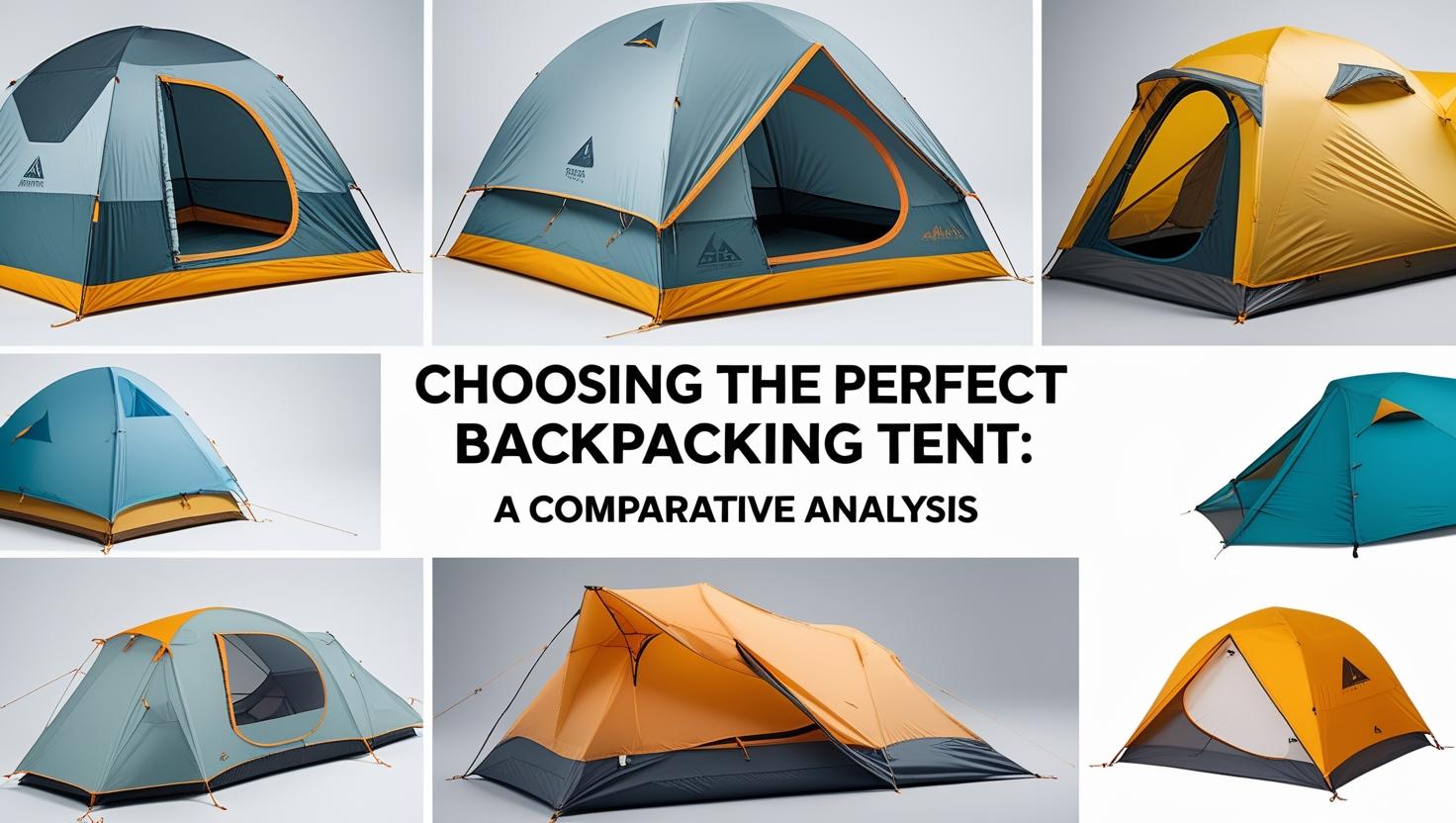
Backpacking tents are integral to the outdoor equipment landscape, specifically designed for lightweight portability to cater to hikers who aim to minimize their pack weight. These tents are essential for providing shelter during multi-day excursions, where the balance between weight and functionality becomes critical. The choice of tent type can greatly impact the comfort, safety, and overall success of a backpacking trip, making it vital for hikers to understand their options and select wisely.
Understanding the various tent options available on the market allows hikers to make informed decisions that cater to their specific needs and conditions. This knowledge encompasses not only the weight and design of the tent but also its durability, weather resistance, and ease of setup, all of which can significantly affect the overall hiking experience.
Types of Backpacking Tents
Ultralight Tents
Ultralight tents, such as the Nemo Hornet Elite Osmo 2P, are designed for those who prioritize weight savings above all else. These tents typically weigh significantly less than traditional models, making them ideal for long-distance trekkers. However, this reduction in weight often comes at the cost of space and durability. For instance, the Zpacks Duplex Zip is known for its incredibly lightweight design, but it has been criticized for its vulnerability to high winds due to its minimalist structure. Innovations in materials, like Dyneema, have enhanced the strength of ultralight tents while keeping them lightweight, allowing for options that appeal to serious backpackers.
Freestanding Tents
Freestanding tents, such as the Big Agnes Copper Spur UL2, offer a balance of ease of setup and weather protection. These tents can stand independently without requiring stakes, making them versatile for various terrains. The SlingFin Portal is another notable example, renowned for its stability and design tailored to withstand extreme weather conditions. Freestanding designs often provide more interior space, allowing for maneuverability and comfort compared to non-freestanding tents, which may require additional setup time and can be less stable.
Non-Freestanding Tents
On the other hand, non-freestanding tents, which include designs like teepee or pyramid tents, are often lighter but necessitate pegging down to secure them. These designs may appeal to those looking for ultralight options, but they generally require larger footprints and can be more challenging to pitch in adverse conditions. For example, soft-ridge tents can utilize trekking poles for support, yet they offer limited internal space, which could be a drawback for some hikers. Geodesic tents, while heavier, stand out for their stability in high winds, making them suitable for challenging terrains.
Key Features to Consider
Weight
Weight is arguably the most critical factor when selecting a backpacking tent, as a lighter tent contributes to an overall reduction in pack weight, making hikes more manageable. For example, the Big Agnes Copper Spur HV UL2 strikes an impressive balance between weight and livability, making it a popular choice among backpackers. However, many tents offer optional footprint layers that add weight but can enhance durability and protection from ground moisture, presenting a trade-off for hikers.
Durability
Durability is another essential consideration. Tents constructed from high-quality materials, such as those produced by Hilleberg, are designed to endure extreme conditions but often come with a higher weight and price tag. Recent advancements in two-skin designs have made them lighter and more effective in various weather conditions, leading to a decline in the popularity of single-skin tents. Features like reinforced seams and durable zippers can enhance a tent’s longevity, ensuring it withstands wear and tear over time.
Weather Resistance
Weather resistance is crucial when selecting a backpacking tent, especially for those hiking in unpredictable climates. The MSR Access 2 is an example of an all-season tent that combines lightweight construction with durability for harsh weather conditions, although it may lack breathability in milder climates. Dome tents are highly favored for their strength and quietness in windy conditions, providing a comfortable shelter during storms. Features such as rainflys and vestibules improve a tent’s water resistance while offering extra storage space for gear outside the sleeping area.
Price Ranges and Options
Budget backpacking tents, like the REI Co-op Trail Hut 2, are designed to be affordable and durable, making them suitable for casual backpackers, albeit on the heavier side for long treks. Premium options, like the Hilleberg Nallo 2, are excellent for extreme conditions but can exceed $1,000, reflecting their high-quality build and materials. Mid-range tents, such as the MSR Hubba Hubba, provide a balanced approach between quality and affordability, catering to a diverse range of campers.
Testing and Review Process
The testing and review process for backpacking tents is comprehensive, often involving extensive real-world testing to evaluate their livability, weather protection, and setup ease. Over 100 tents have been scrutinized since 2012, with assessments based on comfort, weather resistance, and usability complexity. Each tent is tested under various conditions, ensuring a thorough evaluation that can guide potential buyers in their selection process.