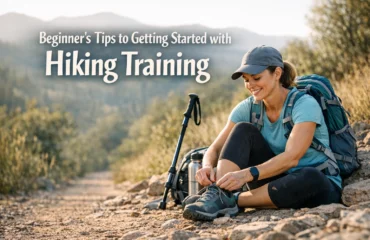

Gear Up for the Great Outdoors: Essential Fitness Training Tips for Adventure Seekers

Introduction
Adventure awaits just outside your door, but to truly enjoy the great outdoor experiences, proper fitness training is crucial. Whether you’re hiking through wooded trails, climbing mountains, or navigating rivers, preparing your body for the demands of adventure can enhance your safety and enjoyment.
1. Build Endurance
Long hikes and extended outdoor activities require stamina. Here are some tips to build your endurance:
-
- Incorporate steady-state cardio workouts such as running, cycling, or swimming.
-
- Practice interval training to increase your aerobic capacity.
-
- Gradually increase your workout duration to improve your stamina over time.
2. Strength Training
Strong muscles help you tackle tough terrains and carry loads more effectively. Focus on:
-
- Leg workouts like squats, lunges, and deadlifts for climbing and hiking.
-
- Core exercises to improve balance and stability, such as planks and Russian twists.
-
- Upper body strength training for carrying gear—push-ups and pull-ups are great options.
3. Flexibility & Mobility
Staying limber can help prevent injuries during your adventures. Consider the following:
-
- Incorporate dynamic stretching into your warm-up routine.
-
- Practice yoga or Pilates for improved flexibility.
-
- Focus on stretches that target major muscle groups used in outdoor activities.
4. Specific Training for Activities
Tailoring your training to your specific activities can make a huge difference. Here are a few examples:
-
- For hiking, include hill sprints to build leg strength.
-
- For rock climbing, focus on grip strength and upper body workouts.
-
- For kayaking or canoeing, include rotator cuff exercises and core stability workouts.
5. Rest and Recovery
Don’t underestimate the power of rest. Recovery is just as important as training. Here’s how to recover effectively:
-
- Ensure you get enough sleep to allow your body to repair.
-
- Stay hydrated and maintain proper nutrition to facilitate recovery.
-
- Incorporate rest days into your schedule to avoid burnout and overtraining.