
Understanding Wildlife Watching
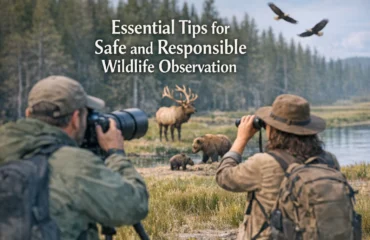
Wildlife watching is an enriching activity that allows us to connect with nature and observe animals in their natural habitat. It is essential to approach this experience with respect and care to avoid interfering with their natural behaviors.
Why Is Responsible Observation Important?
Animals are vulnerable to stress and disruption. Interfering with their habitats can lead to negative consequences, including altered behaviors, abandonment of young, or exposure to danger. Practicing responsible observation helps maintain the delicate balance of ecosystems.
Tips for Responsible Wildlife Watching
-
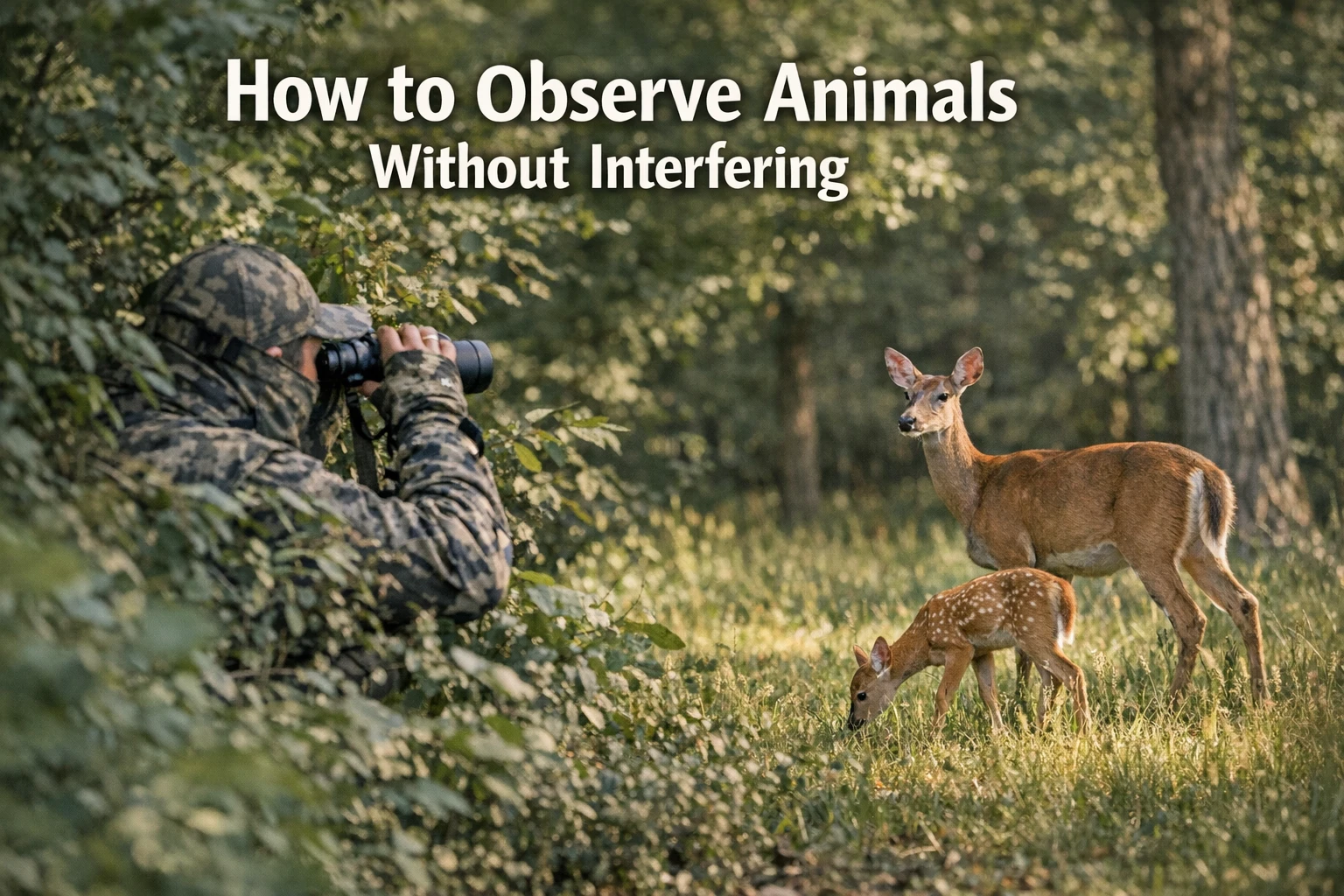
- Maintain Distance: Use binoculars or a camera with a zoom lens to observe animals from a safe distance.
-
- Stay Quiet: Minimize noise to avoid startling animals and disturbing their natural behaviors.
-
- Follow Guidelines: Adhere to park rules and guidelines concerning wildlife observation.
-
- Avoid Feeding Animals: Do not feed animals, as this can create dependency and disrupt their natural foraging habits.
-
- Be Mindful of Your Surroundings: Stay on designated trails to prevent trampling vegetation and altering the habitat.
-
- Observe During Dawn or Dusk: Many animals are most active during these times, allowing for better chances of observation while also being less intrusive.
Preparing for Your Wildlife Watching Adventure
Before heading into the great outdoors, make sure to prepare adequately:
-
- Research: Learn about the local wildlife and their habitats.
-
- Equipment: Bring binoculars, a camera, and a field guide specific to your area.
-
- Dress Appropriately: Wear clothing suitable for the weather and terrain, and consider muted colors to blend into the environment.
-
- Stay Hydrated: Carry water and snacks to maintain your energy levels during your adventure.