
Backpacking Basics: Essential Safety Tips for First-Time Adventurers

Backpacking is a thrilling way to explore the great outdoors, offering an experience that combines adventure with a connection to nature. However, for first-time adventurers, safety should always be a top priority. Here are some essential safety tips to ensure your backpacking trip is both enjoyable and secure.
1. Plan Your Route
Before heading out, take the time to plan your route. Research the area, including the terrain, weather conditions, and potential hazards. Make sure to share your itinerary with a friend or family member, so someone knows where to look for you in case of an emergency.
2. Check Weather Conditions
Weather can change rapidly in the wilderness, so check the forecast before you leave and prepare for unexpected conditions. Dress in layers and pack rain gear to accommodate different weather scenarios.
3. Invest in Quality Gear
Your equipment is your lifeline in the wilderness. Invest in a good-quality backpack, tent, sleeping bag, and footwear. Make sure all gear is suited for the terrain and season.
4. Carry a First Aid Kit
A well-stocked first aid kit is essential for any backpacking trip. Include items such as:
-
- Adhesive bandages
-
- Antiseptic wipes
-
- Gauze and adhesive tape
-
- Pain relievers
-
- Allergy medication
-
- Any personal medications
5. Stay Hydrated
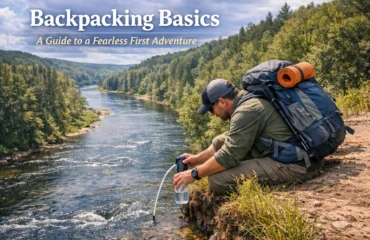
Dehydration can quickly ruin your adventure. Carry enough water and bring a purification method, such as tablets or a water filter, to refill from streams or lakes during your hike.
6. Understand Wildlife Safety
Wildlife encounters can be exciting, but they also pose risks. Familiarize yourself with the wildlife in the area and learn how to store food properly to avoid attracting animals. Never approach or feed wild animals.
7. Know Basic Navigation Skills
Technology can fail, so it’s best to know how to navigate using a map and compass. A GPS device is helpful, but always have a backup navigation method. Familiarize yourself with the landscape and key landmarks before you set off.
8. Keep Your Food Secure
Store food in animal-proof containers or hang it high in trees to prevent attracting bears or other wildlife. Keep your cooking area clean and away from your sleeping area to minimize the risk of encounters.
9. Travel with a Buddy
If possible, go backpacking with a partner. Having someone with you can be a major safety factor in case of an emergency. Plus, it’s more fun to share the adventure!
10. Trust Your Instincts
Finally, always trust your instincts. If a situation feels unsafe or uncomfortable, don’t hesitate to turn back or alter your plans. Your safety should always come first.
Backpacking can be a rewarding experience filled with breathtaking views and memorable moments. By following these essential safety tips, first-time adventurers can enjoy their journey while minimizing risks. Happy trails!