
Quick Beginner’s Backpacking Guide to the Great Outdoors
Introduction
Backpacking is a wonderful way to connect with nature, explore new terrains, and escape the hustle and bustle of daily life. This guide aims to equip beginners with essential knowledge and tips to embark on their backpacking adventures.
Choosing the Right Backpack
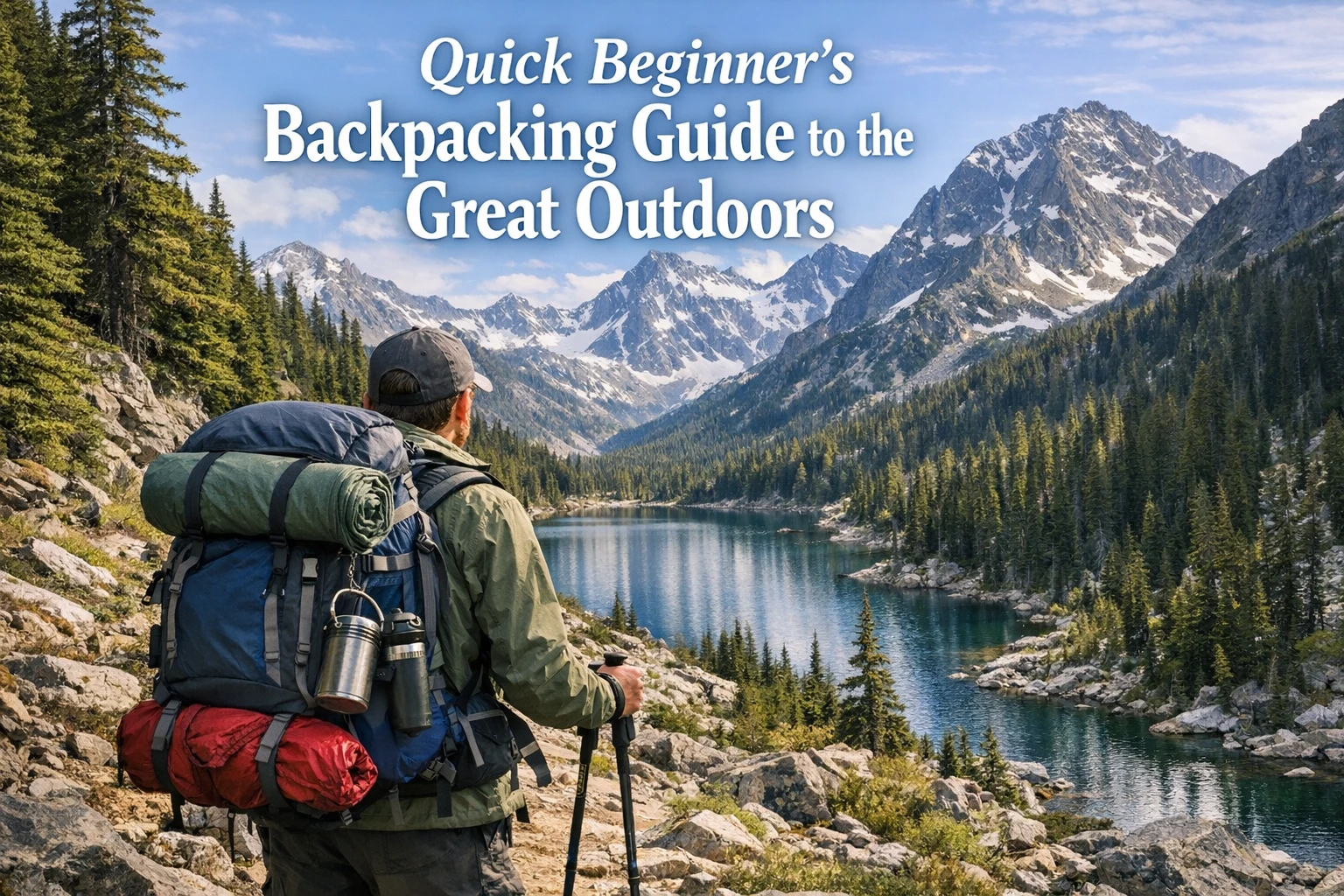
The first step in any backpacking journey is selecting the right backpack. Here are some tips:
-
- Capacity: Choose a pack that suits your trip length. For day trips, a 20-30L pack is sufficient, while weekend trips may require 40-70L.
-
- Fit: Ensure the backpack fits your body type. Look for adjustable straps and support features.
-
- Weight: Opt for lightweight materials without compromising on durability.
Essential Gear
Once you have your backpack, it’s time to fill it with the essentials:
-
- Shelter: A lightweight tent, tarp, or hammock, depending on your preferences.
-
- Sleeping Gear: A sleeping bag suited for the season and a sleeping mat for insulation.
-
- Cooking Supplies: A portable stove, fuel, lightweight cooking pots, utensils, and biodegradable soap.
-
- Clothing: Dress in layers and choose moisture-wicking, quick-drying materials.
-
- First Aid Kit: Always carry a basic first aid kit along with necessary medications.
-
- Navigational Tools: A map, compass, or GPS device to help you find your way.
Planning Your Route
Proper planning is crucial for a successful backpacking trip:
-
- Research: Study your route. Check trail conditions, elevation changes, and weather forecasts.
-
- Permits: Some trails may require permits. Ensure you have these sorted before you go.
-
- Local Wildlife: Understand the wildlife in the area and how to keep yourself safe.
Leave No Trace Principles
As outdoor enthusiasts, it’s our responsibility to protect nature. Follow these principles:
-
- Plan Ahead: Be prepared to be responsible in the outdoors.
-
- Travel and Camp on Durable Surfaces: Stay on trails and camp in designated areas.
-
- Dispose of Waste Properly: Pack out all trash and dispose of waste responsibly.
-
- Leave What You Find: Preserve the environment by not disturbing natural and cultural resources.
Staying Safe
Safety should always be a top priority when backpacking:
-
- Stay Hydrated: Drink plenty of water and know how to purify it.
-
- Know Your Limits: Be aware of your physical capabilities and choose trails accordingly.
-
- Be Aware of the Environment: Watch out for changes in weather and prepare for unexpected events.
Conclusion
Backpacking can be a rewarding experience filled with adventure and discovery. By choosing the right equipment, planning your route, and adhering to conservation principles, you’ll be well on your way to creating unforgettable memories in the great outdoors!