

 Explore our complete U.S. National Parks Guide Series —your go-to hub for 63 National Park guides packed with planning help, must-see highlights, hiking trail recommendations, wildlife and landscape info, park facts, and trusted resources. Each post is a quick learn-before-you-go preview with practical tips for first-time visitors and experienced adventurers alike, including what to do, when to go, what to pack, and links to official maps, permits, and safety updates. Use this collection to plan your next trip, build an itinerary, and discover the best experiences in every U.S. National Park.
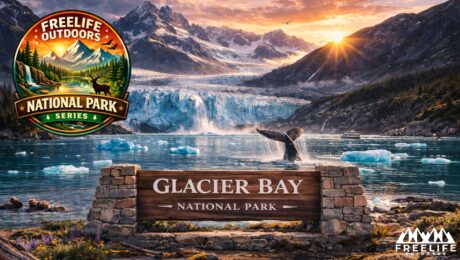
Glacier Bay National Park Guide: Things to Know, What to See & Helpful Resources
Sunday, 08 March 2026
Glacier Bay National Park and Preserve protects a vast coastal wilderness of glaciers, fjords, mountains, and marine ecosystems in southeastern Alaska. The park is famous for its dramatic tidewater glaciers, including Margerie Glacier and Johns Hopkins Glacier, which frequently calve massive chunks of ice into the sea. Visitors experience Glacier Bay primarily through boat tours, cruise ships, kayaking, and wildlife viewing in one of the most pristine marine environments on Earth.
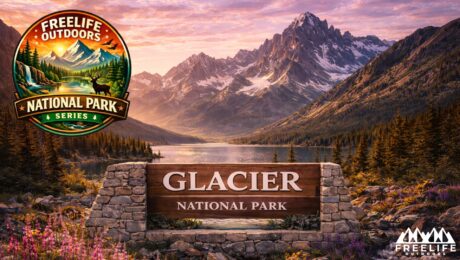
Glacier National Park Guide: Things to Know, What to See & Helpful Resources
Sunday, 08 March 2026
Glacier National Park is one of the most spectacular mountain parks in North America. Located in northern Montana along the Canadian border, the park features rugged peaks, alpine lakes, glaciers, and over 700 miles of hiking trails. Known as the “Crown of the Continent,” Glacier is famous for its breathtaking scenery, abundant wildlife, and the iconic Going-to-the-Sun Road, one of the most scenic drives in the world.

Gateway Arch National Park Guide: Things to Know, What to See & Helpful Resources
Saturday, 07 March 2026
Gateway Arch National Park commemorates the role of St. Louis in the westward expansion of the United States. Located along the Mississippi River in downtown St. Louis, Missouri, the park is home to the iconic Gateway Arch, the tallest monument in the United States. Visitors explore the underground museum, ride a unique tram to the top of the arch, and learn about American history including the Lewis and Clark expedition and the expansion into the western frontier.

Gates of the Arctic National Park Guide: Things to Know, What to See & Helpful Resources
Saturday, 07 March 2026
Gates of the Arctic National Park and Preserve is one of the most remote and wild national parks in the United States. Located entirely north of the Arctic Circle in Alaska, the park protects vast wilderness including mountains, tundra, rivers, and boreal forests. With no roads, trails, or established campgrounds, visitors experience true backcountry adventure through backpacking, river rafting, and wilderness exploration. The park is centered around the rugged Brooks Range, where towering peaks and pristine valleys define the landscape.

Everglades National Park Guide: Things to Know, What to See & Helpful Resources
Saturday, 07 March 2026
Everglades National Park protects the largest subtropical wilderness in the United States and the unique ecosystem known as the “River of Grass.” Located in southern Florida, the park contains vast wetlands, mangrove forests, sawgrass marshes, and coastal estuaries. The Everglades is home to a wide range of wildlife including alligators, crocodiles, manatees, and hundreds of bird species. Visitors experience the park through boardwalk trails, kayaking routes, wildlife viewing, and scenic drives.

Dry Tortugas National Park Guide: Things to Know, What to See & Helpful Resources
Saturday, 07 March 2026
Dry Tortugas National Park is one of the most remote national parks in the United States, located about 70 miles west of Key West in the Gulf of Mexico. The park is known for its crystal-clear waters, vibrant coral reefs, abundant marine life, and the massive historic Fort Jefferson. Accessible only by boat or seaplane, Dry Tortugas offers visitors incredible snorkeling, birdwatching, history, and some of the most pristine tropical scenery in the country.

Denali National Park Guide: Things to Know, What to See & Helpful Resources
Saturday, 07 March 2026
Denali National Park and Preserve protects over six million acres of wild Alaska wilderness centered around Denali, the tallest mountain in North America. The park features massive glaciers, alpine tundra, boreal forests, and incredible wildlife populations. Visitors come for wildlife viewing, scenic bus tours through the park road, mountaineering adventures, and unforgettable views of the Alaska Range.
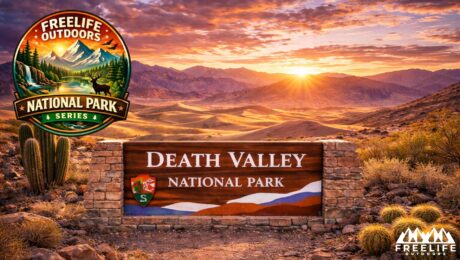
Death Valley National Park Guide: Things to Know, What to See & Helpful Resources
Friday, 06 March 2026
Death Valley National Park is the hottest, driest, and lowest national park in the United States. Located along the California–Nevada border, the park protects vast desert landscapes including salt flats, sand dunes, colorful badlands, rugged mountains, and deep canyons. Despite its extreme environment, Death Valley supports diverse plant and animal life. Visitors explore scenic drives, unique geologic formations, and some of the most dramatic desert landscapes in North America.
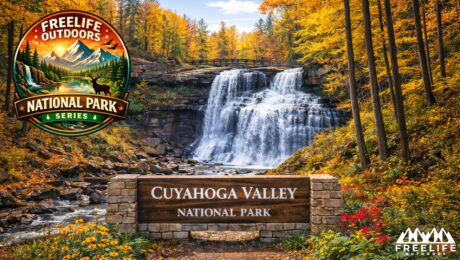
Cuyahoga Falls National Park Guide: Things to Know, What to See & Helpful Resources
Friday, 06 March 2026
Cuyahoga Valley National Park preserves a scenic river valley between Cleveland and Akron, Ohio. The park protects forests, wetlands, waterfalls, farmland, and historic sites along the Cuyahoga River. Visitors enjoy hiking, biking along the historic Ohio & Erie Canal Towpath Trail, scenic railroad rides, and exploring beautiful waterfalls such as Brandywine Falls. The park blends natural beauty with rich cultural history tied to the canal era.
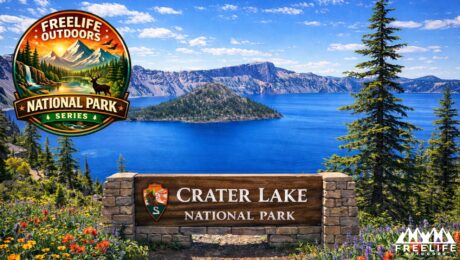
Crater Lake National Park Guide: Things to Know, What to See & Helpful Resources
Friday, 06 March 2026
Crater Lake National Park protects the deepest lake in the United States, formed nearly 7,700 years ago when Mount Mazama collapsed after a massive volcanic eruption. Located in southern Oregon, the park is famous for its incredibly deep blue water, steep surrounding cliffs, and volcanic features such as Wizard Island. The lake is known for its exceptional clarity and striking beauty, attracting visitors for scenic drives, hiking, boat tours, and winter recreation.