

 Explore our complete U.S. National Parks Guide Series —your go-to hub for 63 National Park guides packed with planning help, must-see highlights, hiking trail recommendations, wildlife and landscape info, park facts, and trusted resources. Each post is a quick learn-before-you-go preview with practical tips for first-time visitors and experienced adventurers alike, including what to do, when to go, what to pack, and links to official maps, permits, and safety updates. Use this collection to plan your next trip, build an itinerary, and discover the best experiences in every U.S. National Park.
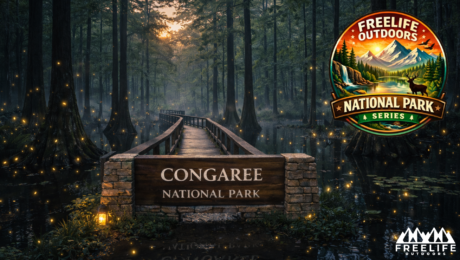
Congaree National Park Guide: Things to Know, What to See & Helpful Resources
Friday, 06 March 2026
Congaree National Park protects the largest intact old-growth bottomland hardwood forest remaining in the United States. Located in central South Carolina near Columbia, the park is known for towering trees, slow-moving waterways, and rich biodiversity. Seasonal flooding from the Congaree and Wateree Rivers nourishes the forest, creating a unique ecosystem. Visitors explore the park through boardwalk trails, hiking paths, and kayaking along Cedar Creek.
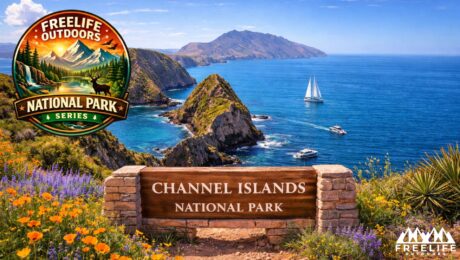
Channel Islands National Park Guide: Things to Know, What to See & Helpful Resources
Friday, 06 March 2026
Channel Islands National Park protects five remote islands off the coast of Southern California, often called the “Galápagos of North America.” The park preserves rugged coastlines, sea cliffs, marine ecosystems, and diverse wildlife found nowhere else on Earth. Visitors explore the islands through hiking, kayaking, snorkeling, wildlife viewing, and camping. Because the islands are only accessible by boat or plane, the park offers a truly wild and secluded experience.
Carlsbad Caverns National Park Guide: Things to Know, What to See & Helpful Resources
Friday, 06 March 2026
Carlsbad Caverns National Park protects one of the most spectacular cave systems in the world. Located in southeastern New Mexico, the park features more than 119 known caves formed by sulfuric acid dissolving limestone deep underground. The park’s most famous cave, Carlsbad Cavern, contains enormous underground chambers filled with stunning formations such as stalactites, stalagmites, and flowstone. Visitors can explore the vast underground rooms and witness the incredible evening bat flight during warmer months.
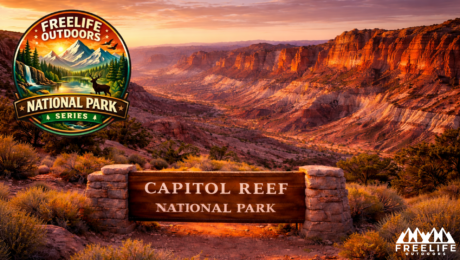
Capitol Reef National Park Guide: Things to Know, What to See & Helpful Resources
Friday, 06 March 2026
Capitol Reef National Park protects one of Utah’s most unique geologic features—the Waterpocket Fold, a nearly 100-mile-long wrinkle in the Earth’s crust. Located in south-central Utah, the park features towering cliffs, colorful sandstone domes, natural arches, deep canyons, and historic pioneer orchards in the Fruita district. Compared to some other Utah parks, Capitol Reef often feels quieter and less crowded, offering visitors a chance to experience dramatic desert landscapes with fewer people.
Canyonlands National Park Guide: Things to Know, What to See & Helpful Resources
Friday, 06 March 2026
Canyonlands National Park protects an immense desert wilderness of deep canyons, towering mesas, and rugged buttes carved by the Colorado and Green Rivers. Located in southeastern Utah near Moab, the park is divided into four main districts: Island in the Sky, The Needles, The Maze, and the rivers themselves. Each district offers unique landscapes and adventures ranging from scenic overlooks and short hikes to remote backcountry exploration.
Bryce Canyon National Park Guide: Things to Know, What to See & Helpful Resources
Thursday, 05 March 2026
Bryce Canyon National Park is famous for its breathtaking amphitheaters filled with thousands of colorful rock spires known as hoodoos. Located in southern Utah, the park sits at a high elevation along the edge of the Paunsaugunt Plateau. Unlike traditional canyons carved by rivers, Bryce Canyon was formed primarily through frost weathering and erosion, creating one of the most unique landscapes in the world. Visitors enjoy scenic viewpoints, hiking among the hoodoos, horseback riding, and exceptional stargazing.
Black Canyon National Park Guide: Things to Know, What to See & Helpful Resources
Thursday, 05 March 2026
Black Canyon of the Gunnison National Park protects one of the steepest and most dramatic canyons in North America. Located in western Colorado, the canyon was carved over millions of years by the powerful Gunnison River cutting through ancient Precambrian rock. The canyon walls are incredibly steep and narrow, creating deep shadows that give the canyon its name. Visitors come for breathtaking overlooks, challenging hikes, rock climbing, and some of the darkest night skies in Colorado.
Biscayne National Park Guide: Things to Know, What to See & Helpful Resources
Thursday, 05 March 2026
Biscayne National Park protects a vibrant marine ecosystem just south of Miami, Florida. Unlike most national parks, 95% of the park is underwater, preserving coral reefs, seagrass beds, mangrove shorelines, and the northernmost Florida Keys islands. Visitors experience the park primarily through boating, snorkeling, diving, and kayaking. Biscayne also protects historic shipwrecks and abundant marine life within the clear turquoise waters of Biscayne Bay.
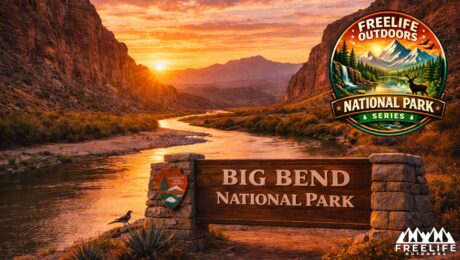
Big Bend National Park Guide: Things to Know, What to See & Helpful Resources
Thursday, 05 March 2026
Big Bend National Park protects one of the most remote and diverse landscapes in the United States. Located in southwest Texas along the Rio Grande River at the U.S.–Mexico border, the park features dramatic desert landscapes, rugged mountains, deep river canyons, and vast night skies. Visitors can explore the Chisos Mountains, hike through desert ecosystems, paddle the Rio Grande, and experience one of the darkest night skies in North America.
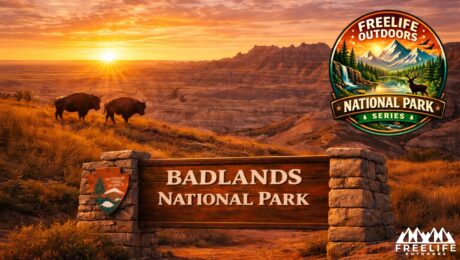
Badlands National Park Guide: Things to Know, What to See & Helpful Resources
Thursday, 05 March 2026
Badlands National Park protects one of the most dramatic landscapes in North America. Located in southwestern South Dakota, the park is known for its sharply eroded buttes, pinnacles, and layered rock formations surrounded by expansive prairie grasslands. The park also preserves one of the richest fossil beds in the world and provides habitat for wildlife such as bison, bighorn sheep, prairie dogs, and black-footed ferrets.