


A surreal desert landscape of towering red rock, sweeping sandstone fins, and more than 2,000 natural stone arches, Arches National Park captivates visitors with iconic formations like Delicate Arch rising dramatically above the Utah desert and glowing brilliantly beneath fiery sunsets and star-filled skies.

U.S. National Parks
Complete Guide & Video Series
America’s national parks protect some of the most incredible landscapes on Earth—from towering mountains and ancient forests to deserts, glaciers, and tropical islands.
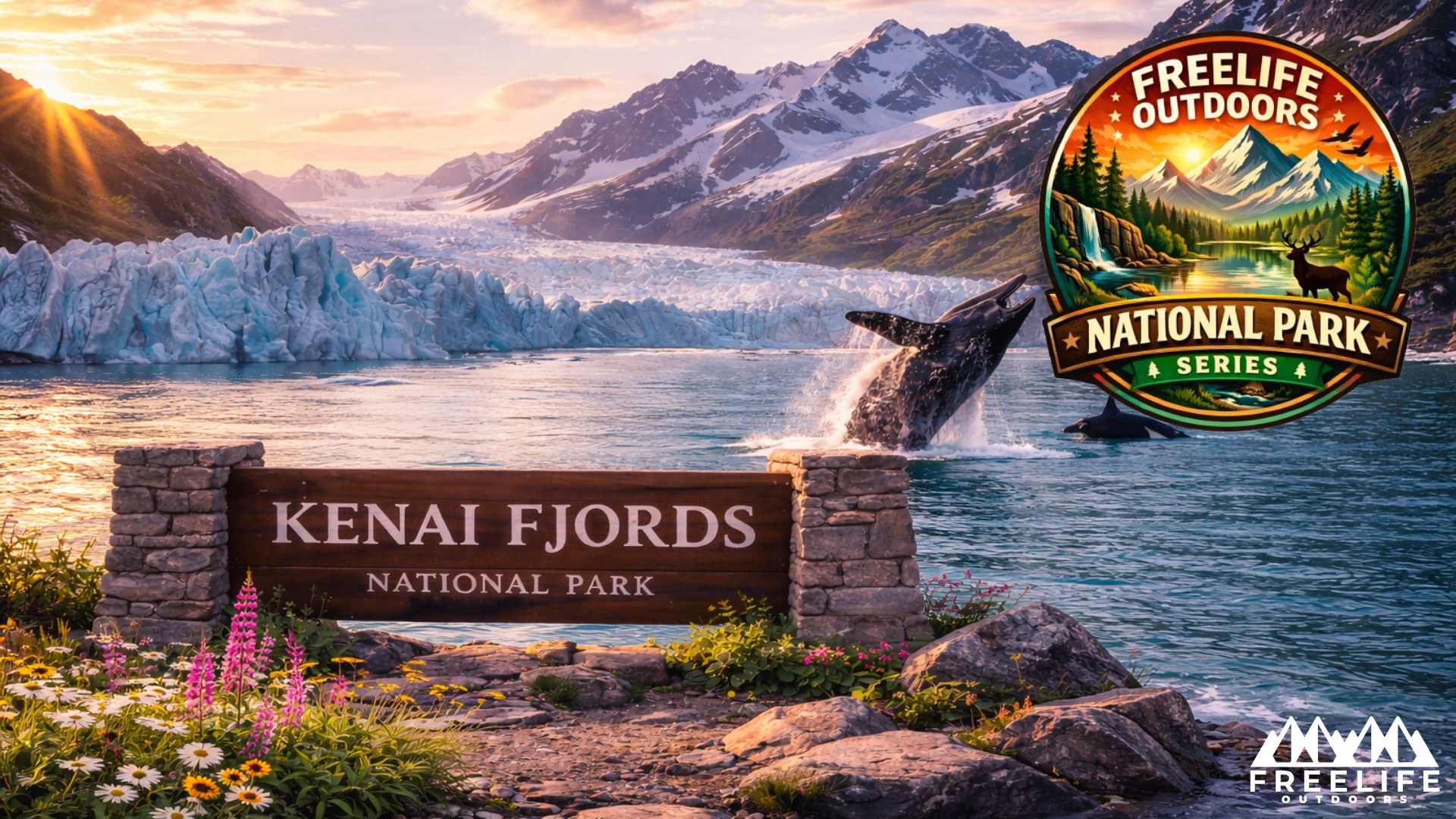
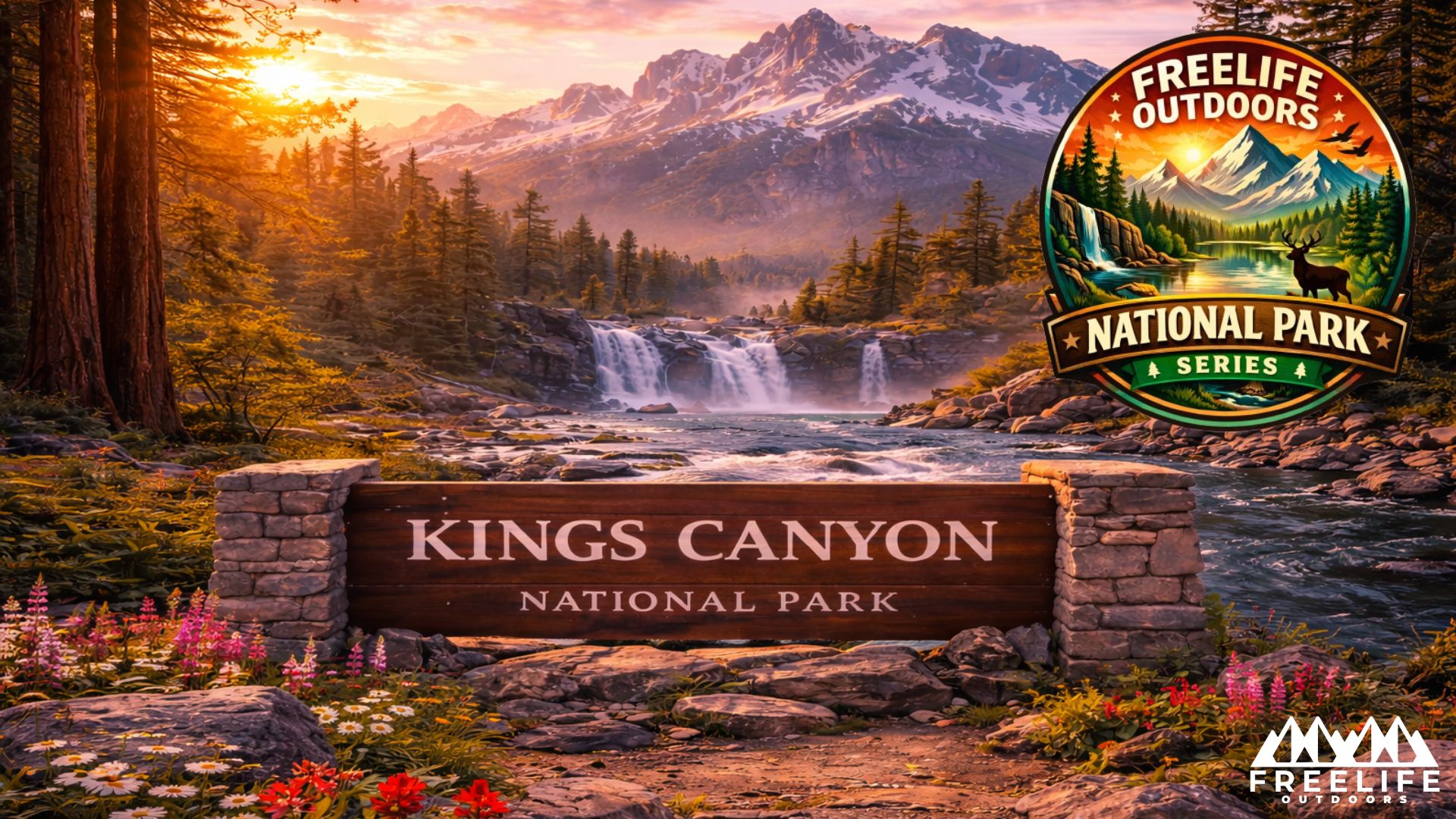
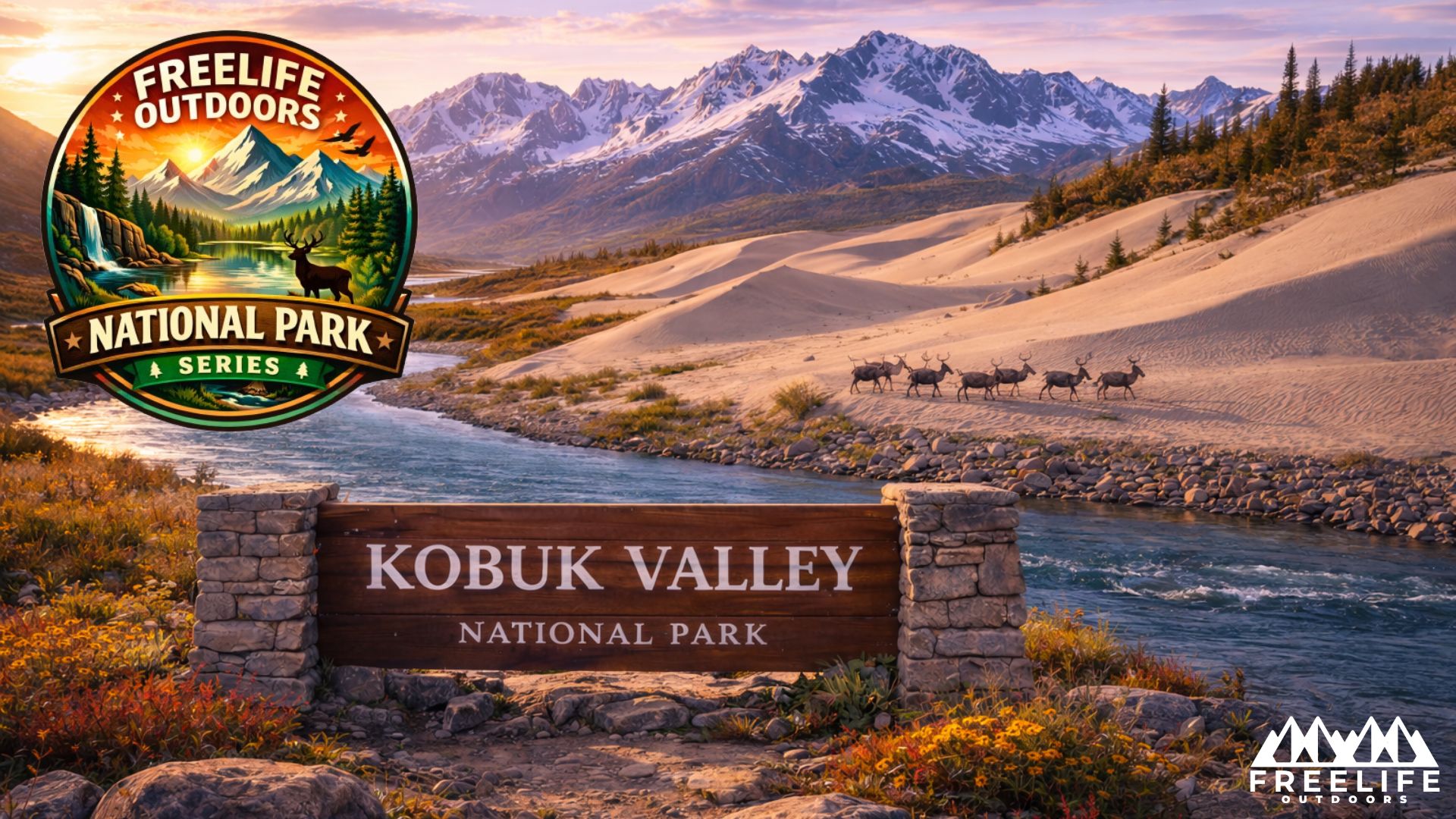
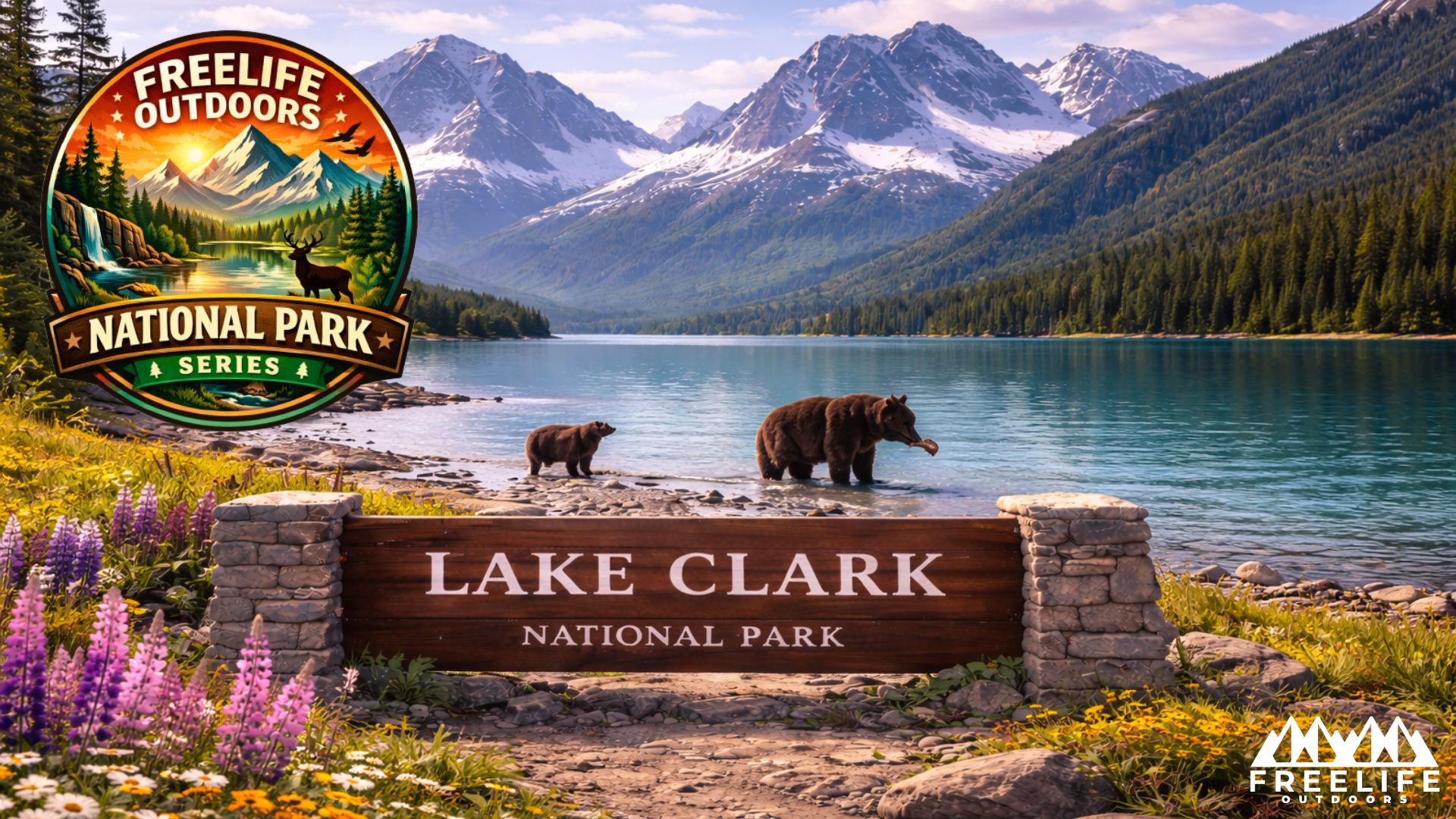
In this complete 63 U.S. National Parks series, we explore every national park across the United States through videos, travel guides, and helpful visitor information.
Whether you're planning your next adventure or dreaming about future travel, this page serves as your master guide to all U.S. national parks.
Each park page includes: An informational video, park highlights, popular hiking trails, wildlife and plant life, visitor tips and safety information, one-day itineraries, hidden gems, planning resources, scenic drives, nearby towns, camping and lodging information, popular photography spots and more!
Thank You!
A huge shoutout to National Park Services employees , USGS, volunteers and all others that work hard to keep the U.S. National Parks beautiful and safe!!
Did You Know? Fun Facts About U.S. National Parks
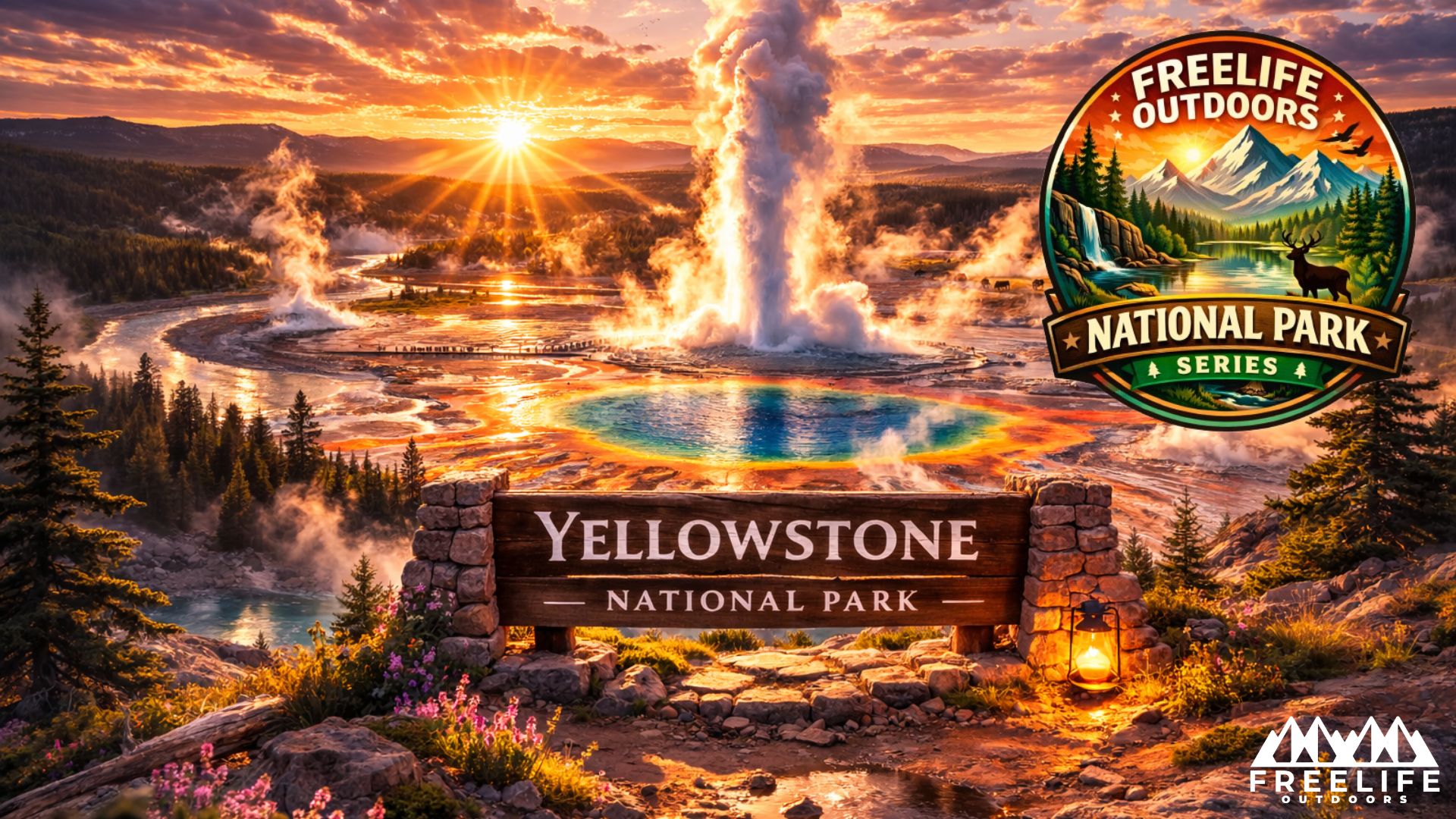
Yellowstone National Park was established in 1872, making it not only the first U.S. national park, but the first national park in the world.
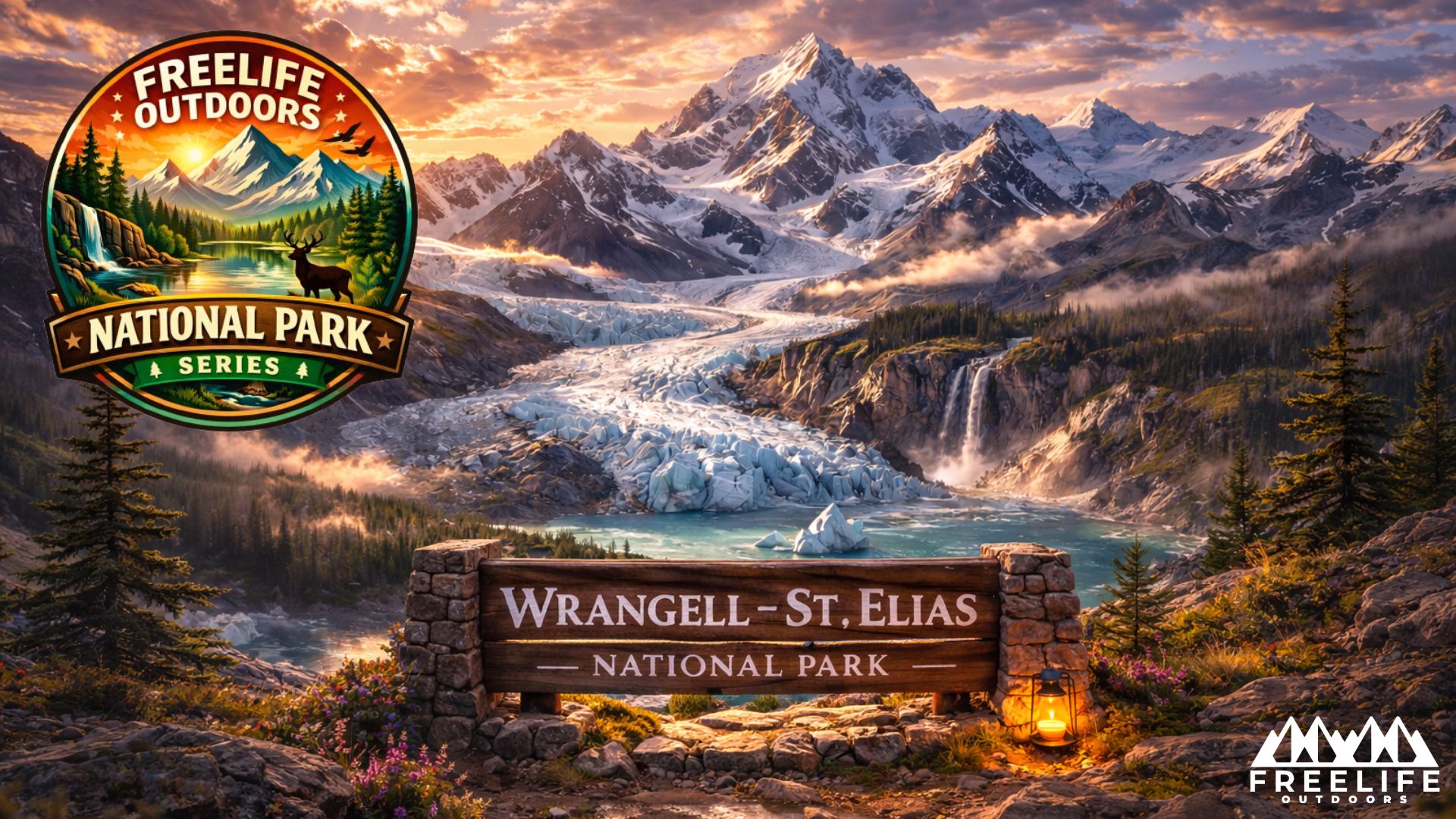
Wrangell–St. Elias National Park and Preserve in Alaska is the largest U.S. national park, covering 13.2 million acres. That’s larger than the entire country of Switzerland.
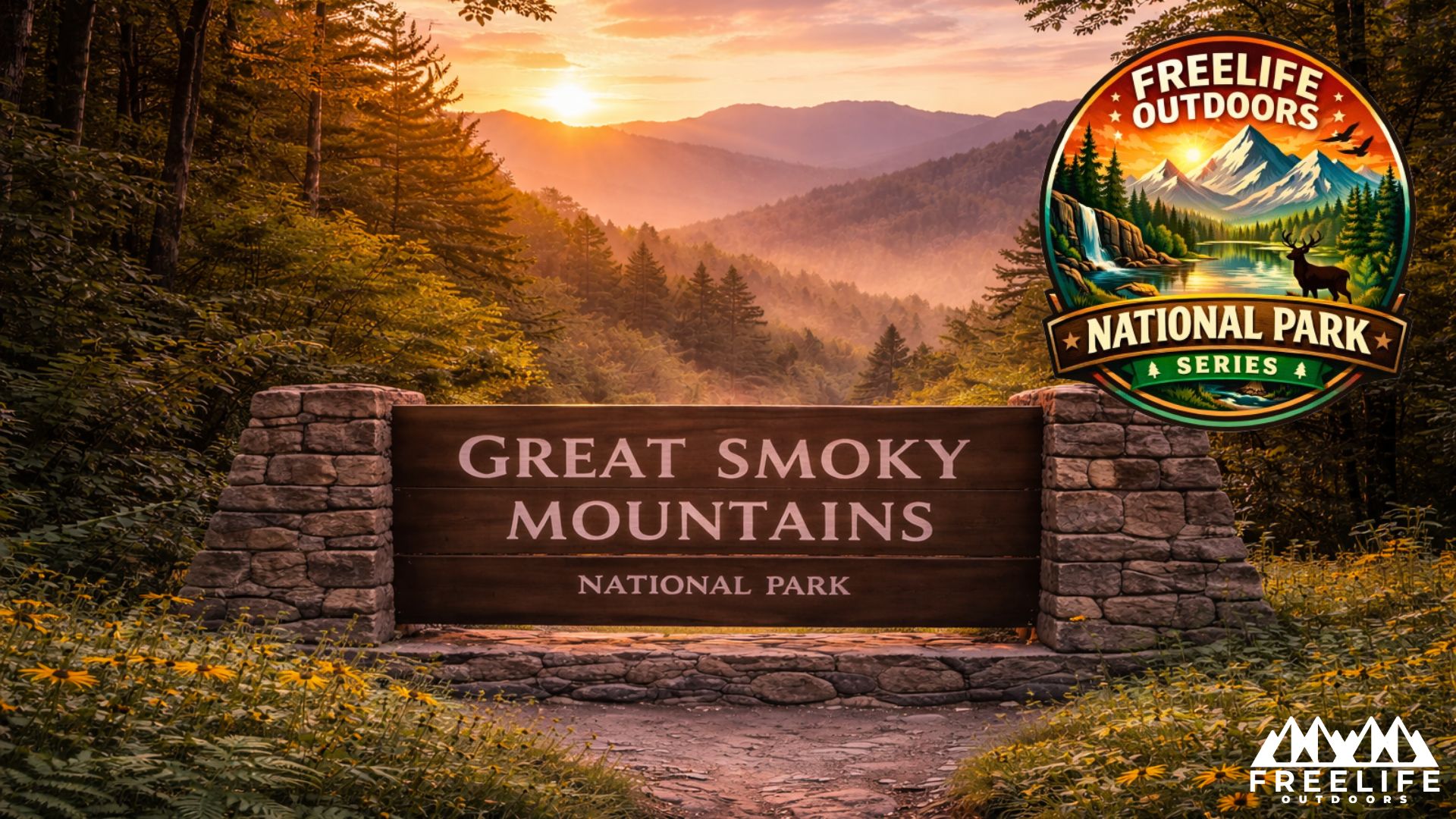
Great Smoky Mountains National Park is the most visited national park in the United States, welcoming 12–13 million visitors each year.
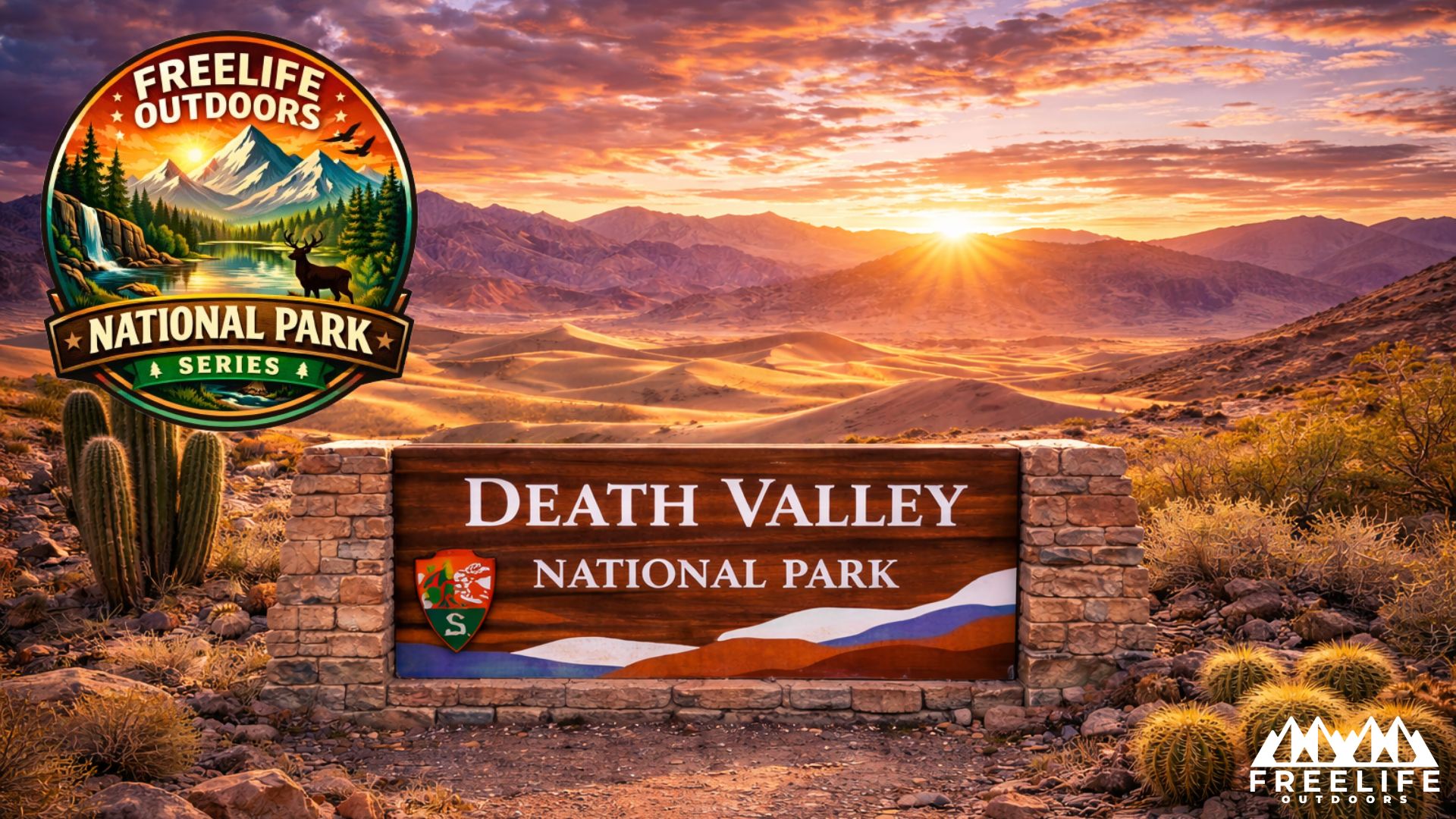
Death Valley National Park holds the record for the highest air temperature ever recorded on Earth: 134°F (56.7°C) in 1913 at Furnace Creek.
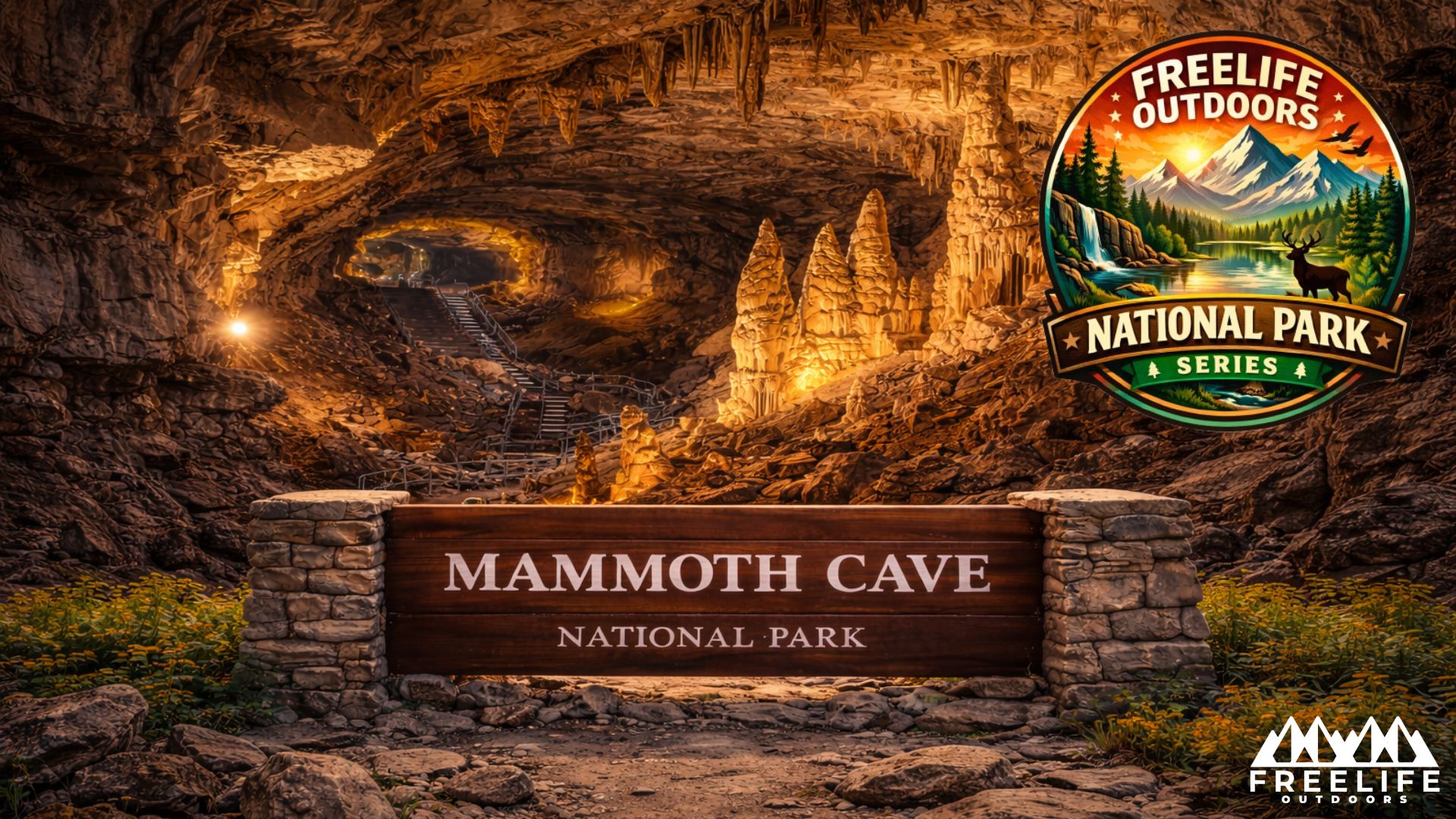
Mammoth Cave National Park contains the longest cave system in the world, with over 420 miles of explored passageways — and scientists believe even more remains undiscovered.